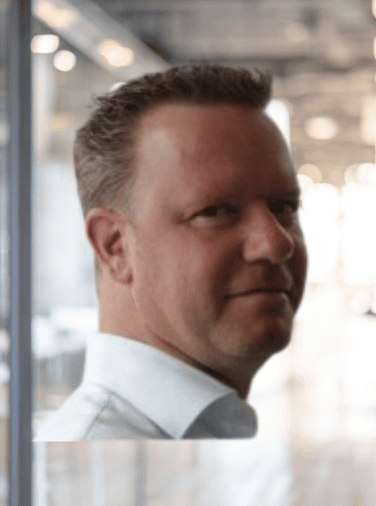
Blog by

Daniëlle Hummelink
Career coaching—surely that’s only for when you’re looking for a new job or when you’re off sick? At MEPD we think, ‘You train to get better, to strengthen yourself.’ That’s how career coach Daniëlle supports her participants every day. How can they strengthen and develop themselves? So they can work more enjoyably and with greater self-awareness. For those who go through career coaching, it brings real clarity, genuine development, and a true step forward. Read her blog for MEPD to learn more.
Everything starts with awareness
I coach many managers who are referred by their organizations. Sometimes, the manager experiences a problem and asks for help themselves. Other times, the organization contacts us because they feel the manager could develop further. Whatever the reason, it usually comes down to ‘something with communication’ or ‘not visible enough’. But what does this actually mean?
“Very practically—and I’ll explain in a moment—the participant is allowed to get to know themselves better. To discover their own communication style and preferred leadership style. Everything starts with awareness.”
People are often unaware of their own style. How do they come across to others: sincere, involved, (im)patient? And what impact does this have on others? Instead of asking or checking with others, it is simply easier to make assumptions and start believing them yourself. And trust me 😊: every conversation I have is loaded with assumptions and beliefs. When participants know where their blind spots are, it makes them more self-aware. Then, steps can be taken to get to know themselves better.
If you know about yourself that, as a manager, you prioritize people, you also know that’s your main focus. Another aspect of management, like self-promotion, might then get less attention. This means you’ll need to consciously make room for it. That’s perfectly natural—we all do it. But by understanding more about how you’re wired, it’s easier to steer towards what’s asked of you. Self-promotion may never truly be your thing, but you can and will do it when it’s needed—without it causing you too much stress.
As a coach, you need the complete picture of someone
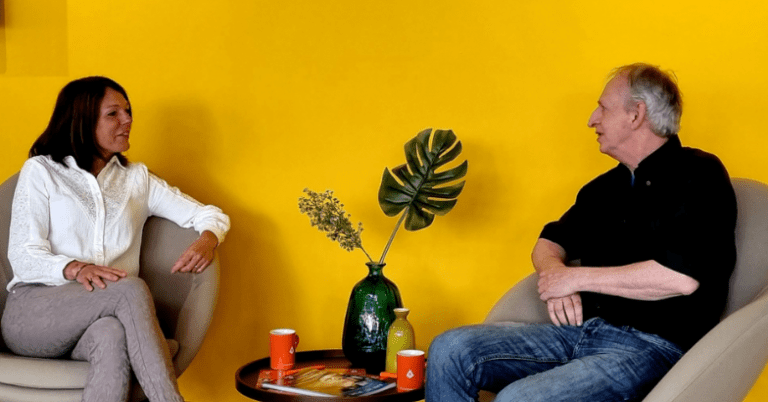
After a first conversation with a participant, I immediately see a lot of recognition and acknowledgement. Simply being able to share your story outside the organization already means so much. No judgment. Not jumping to conclusions. Providing space. That’s our strength. If you want to strengthen and develop someone, you need all the information. If you’re running into something at work, it often affects other areas too. We look at the person as a whole. To coach someone, it’s helpful to know what’s going on in different aspects of their life. A next step is often taking an assessment—a valuable tool that offers a lot of insight and information, plus practical handles. Because, remember: everything starts with awareness.
If the organization has clarity (and I say if, because that isn’t always the case) about what they expect from the manager—such as leadership style, visibility, being data-driven or people-oriented—the manager can take (small) steps towards developing their own style that fits within the organization. Then, it helps to know what kind of person you are and what your communication and leadership style is.
Tips I often give to managers
- Discuss the challenges you face openly
- Clarify expectations with your manager or direct colleagues
- Ask for feedback
- Follow up on the feedback: ‘Is this now what you expect from me?’
- Set aside a moment at the end of the week: what challenges did I face, what went well, what went less well, and how could I approach it differently next time (reflection moments)
- Write down tips on Post-its and stick them up around the house
What feedback do I receive from participants and organizations?
Participants often say in their final conversation that they gained clarity and insight and now view people and situations differently. They make fewer assumptions and judge differently. But most importantly: they experience more enjoyment at work, things flow more naturally, and their work fits them better.
Organizations often say during evaluations that they notice a different approach or role fulfillment from the manager. I find that interesting. Because what happens within the organization—no one can change that. But I have managed to give the manager something that helps them adapt more easily to what’s required. And then I can’t help but conclude: I have the best job ever!

Daniëlle Hummelink
Career advisor
I am genuinely interested in people and curious about their motivations. Personal attention, integrity, humor, and a pragmatic approach characterize my way of working.