Blog by

Jan Rozema
Have you ever experienced a reorganisation with collective redundancy? Then you’re probably not going to forget it anytime soon. As an advisor at MEPD, I regularly see how big the impact is on the organisation and its employees. And not only during the preparation with management, HR, and the works council. It brings a lot of turmoil and uncertainty throughout the entire organisation. Employees who lose their jobs are hit hardest. But what about those who stay? It is a major event for them too. They lose colleagues they’ve worked with for years. The workload increases; you have to do the same or even more with fewer people. Job satisfaction is under pressure, as is the good reputation of the company. And yet, after a reorganisation, you have to move forward—but how?
Careful and transparent
Over the past years, as a project leader, I have helped various companies during reorganisations: from support, outplacement programmes, to aftercare. Although every reorganisation has significant impact, a careful preparation and execution make a big difference. Respectful execution and communication prevent unnecessary suffering and also foster more understanding and trust in the organisation among those who remain.
Agility
From HR we are often asked: How can we prevent major interventions in our organisation in the future? Not only because of the human aspects, but also due to the disruption of operations and the company’s reputation.
For an organisation, it’s important to develop policies to increase organisational agility. This raises questions such as: How can your organisation anticipate and adapt more quickly in an ever-changing environment? It’s difficult to determine the future of the organisation. As a result, it’s also tough to decide what your workforce should look like in the future. What knowledge, skills, and behaviours are needed to remain successful five years from now? How do you ensure your employees stay vital and skilled? That they continue to trust your company? How do you continue to make good use of the potential workforce within the organisation? In practice, it’s often challenging, but still. With a targeted approach, an organisation can certainly influence the employability of its employees. In addition, it’s an especially relevant topic due to the very tight labour market in the manufacturing industry.
In conversation
In recent years, I have also had the opportunity to advise many companies on employability issues: Employees who can be utilised more broadly make an organisation stronger and increase flexibility. The urgency of this subject is clearly rising.
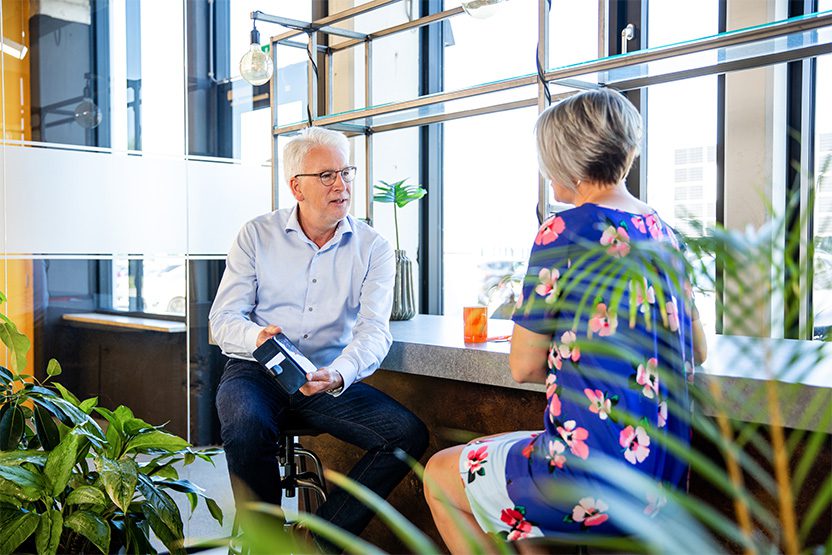
Monitoring the development and motivation of employees is getting more attention—not only from employers but also from employees themselves. With the increase in the retirement age, the final years at work are a lot more demanding. Our advice is to have personal conversations with your employees about this. As an employer, demonstrate that good employability—now and in the future—is a shared responsibility. Invest as an employer in raising awareness. Make it clear that you, as an employer, value this theme. The importance of being vital and skilled—not just now, but also later. Ask personal questions that encourage your employees to take action. What does the employee need to continue enjoying his work and what kind of help can be provided? What learning opportunities can you offer, and how can you, as an employer, promote vitality and job satisfaction?
Worthwhile
In workshops on the above topic, we challenge employees to look ahead: what developments do you see in your job and how will you deal with them?
And all sorts of other questions, such as: What would you do if your role were to disappear, what’s your plan B? What other position or role would suit you, and what do you need to make that happen? Looking ahead and investing in your future. If you can get your employees to take action on this, it’s a real win-win. Working together on employability is inspiring and offers new perspectives within the organisation. It requires patience, attention, and involvement, but it’s certainly worth the effort.
Contact in response to this blog?
Would you like to have a no-obligation conversation with me about the various options for moving forward after a reorganisation? Feel free to contact me.

Jan Rozema
Senior advisor
As an advisor with a broad HR background, I get a lot of satisfaction from translating companies’ questions into practical and workable solutions.