Blog by

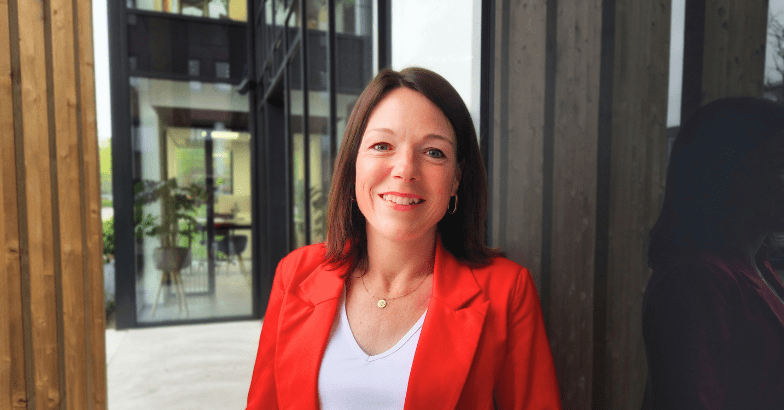
Daniëlle Hummelink
In an organization, it’s essential to enable both employees and the organization as a whole to grow. Development programs are more than just a way to support employees. They are the driving force behind achieving organizational goals, stimulating innovation, and improving overall performance.
In this Q&A, career advisor Daniëlle Hummelink highlights the strategic side of successfully implementing personal and team development.
How do you ensure that development programs contribute to our organizational goals?
Development must directly contribute to individual growth as well as team and organizational goals. This means investing in personal development, subject knowledge, leadership, and collaboration. The role of the manager is crucial in this. Take, for example, a manager who gains insight into his communication style and motivators through a development program. By applying practical tools, not only does his effectiveness increase, but he also influences his team. In this way, a change in one person can already have an impact on the entire organization.
How do we encourage a continuous development and learning culture within the organization?
To remain agile and future-proof, development must be a natural part of the organizational culture. This starts with a safe work environment where employees dare to experiment and are allowed to make mistakes. Supervisors and management set the example. A pitfall: forgetting to celebrate successes! Acknowledge and reward employees who invest in their growth. Make sure learning is embedded in daily practice, for example through personal development plans. Continuously measure progress: where are we now, and where do we want to go?
How do we ensure that employees take ownership of their own development?
Ownership starts with autonomy and visibility. Employees need to know what opportunities are available and feel that their growth is valued. HR and supervisors have a facilitating role here by making development accessible and sharing successes via internal platforms. Give motivated employees a pioneering role to inspire others. And most importantly: make development a natural topic of conversation between supervisors and employees.
How do we make learning and development attractive and accessible for all generations in the workplace?
Each generation learns in a different way. That’s why flexibility is key. Assess learning needs and offer a mix of short learning modules, e-learnings, on-the-job training (for example, through buddies), and internal knowledge sharing such as lunch sessions or mentoring. A strong example is pairing senior employees with new colleagues. This ensures knowledge retention, stimulates development, and gives both the mentor and the new employee recognition and meaning.
What role does talent development play in retaining employees and reducing turnover?
Talent development is a must for retaining employees and strengthening your employer brand. It increases engagement, job satisfaction, and internal mobility, while also helping to prevent bore-outs and burnouts. As an organization, make sure employees know what career paths are available and what development budgets and mobility programs are on offer. A well-designed development program helps utilize talents and provide future prospects, which has a direct impact on retention.

Daniëlle Hummelink
Career Advisor
My passion is coaching people in their personal growth and development. It gives me a lot of energy and job satisfaction. That’s what I wish for everyone.